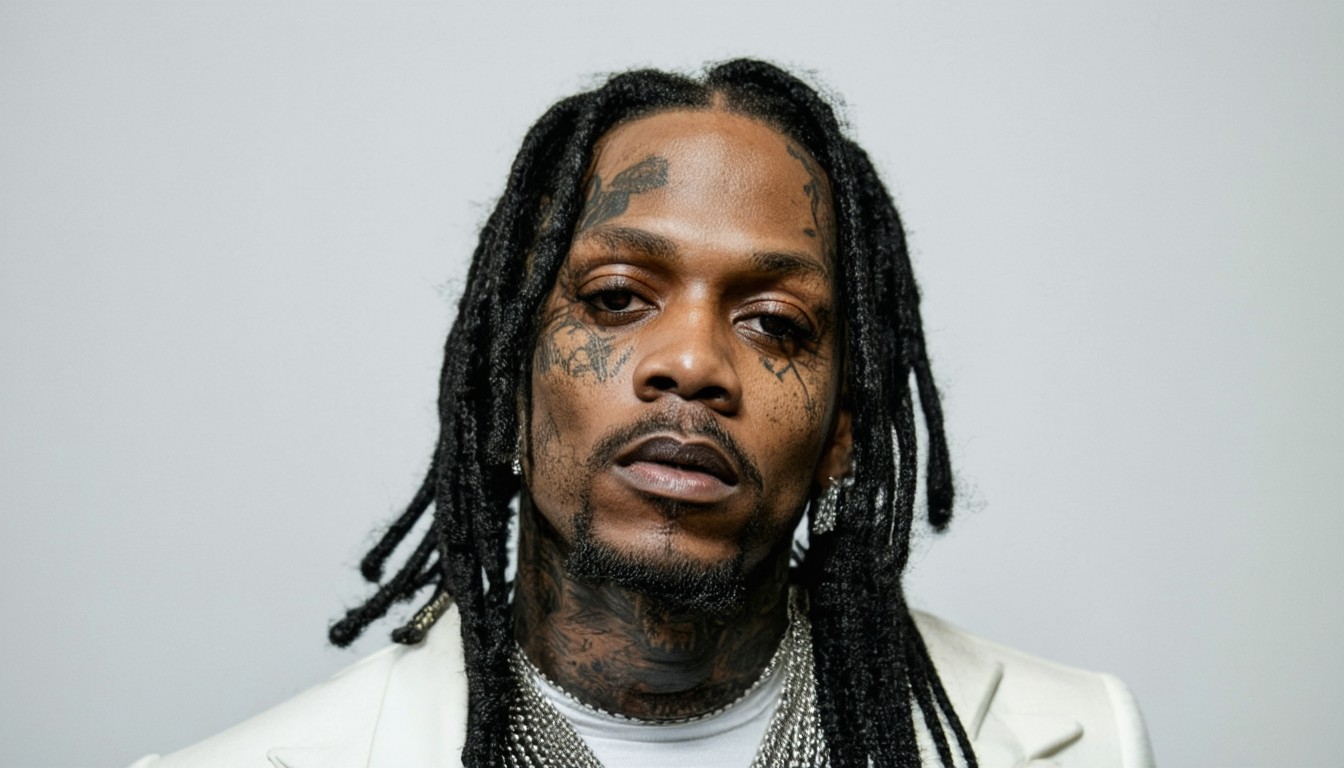
The tragic death of King Von, a rising star in the Chicago drill music scene, sent shockwaves across the rap community and beyond. Born Dayvon Bennett, King Von’s life was abruptly cut short in Atlanta on November 6, 2020, following an altercation outside a downtown nightclub. As speculation grew around the circumstances of his passing, public curiosity focused sharply on the details contained within King Von’s autopsy report—seeking answers to questions about his cause of death, the sequence of events, and the broader implications for violence in the industry.
King Von’s story is representative of a troubling trend: high-profile hip-hop artists facing lethal violence. His fatal shooting was not just a loss for family and fans—it reignited critical conversations about security, accountability, and the allure and peril of street authenticity in modern rap culture.
Key Findings in the Autopsy Report
Immediately following King Von’s death, the Fulton County Medical Examiner’s Office conducted an autopsy. According to official sources, the findings presented a clinical and detailed account of the rapper’s fatal injuries. The report confirmed King Von died of multiple gunshot wounds, with ballistic evidence and wound trajectories meticulously documented.
Medical Evidence and Cause of Death
The central determination from the autopsy was clear: King Von succumbed to internal injuries caused by penetrating gunshot wounds. The bullets caused significant trauma to vital organs and major blood vessels, resulting in rapid blood loss. Emergency medical personnel responded quickly, but the extent of the injuries proved fatal.
Medical examiners noted that such wounds are typically lethal if they impact organs like the heart, lungs, or major arteries—a pattern consistent with other high-profile shooting cases. In King Von’s case, the wounds were categorized as non-survivable, affirming the cause of death as homicide due to gunshot trauma.
Sequence of Events and Forensic Corroboration
Autopsy reports often play a critical role in criminal investigations, correlating physical evidence with surveillance footage and eyewitness accounts. In the King Von case, such details helped law enforcement confirm the sequence: The artist was struck during an altercation that quickly escalated into gunfire between opposing groups.
Beyond the medical findings, the autopsy’s timeline corroborated with Atlanta Police bodycam footage and subsequent arrests. This alignment between forensic and circumstantial evidence not only validated the conclusions but also provided a concrete foundation for legal proceedings.
“Autopsies are not just crucial for science—they’re vital tools for justice. The accuracy and integrity of the report are what allow families and communities to find peace, and authorities to pursue accountability,” observed Dr. Lionel Smith, a forensic pathology expert interviewed by VICE News.
Public Reaction and Misinformation
In high-profile celebrity deaths, autopsy reports are often leaked or partially circulated on social media, as was the case with King Von. Images purporting to show portions of his report—some authentic, others misleading—sparked controversy and discomfort among fans. While the Fulton County Medical Examiner’s Office adheres to strict confidentiality protocols, the internet environment enabled rapid proliferation of both fact and rumor.
The Ethics of Sharing Autopsy Reports
There is considerable debate about the ethics and impact of publicizing autopsy information. For supporters and family members, the release often feels invasive, compounding grief. For journalists and advocates, such transparency can serve the public’s right to know—especially when implications go beyond personal tragedy to broader societal concerns.
Notably, the trend of autopsy report leaks in celebrity deaths has prompted legal scrutiny and pleas for stronger privacy laws. Advocacy groups argue for respecting the dignity of the deceased while balancing legitimate questions about law enforcement conduct and transparency.
Larger Implications: Violence in the Music Industry
King Von’s case is far from isolated. The past decade has seen the deaths of several young, talented artists—XXXTentacion, Nipsey Hussle, and Pop Smoke among them—under strikingly similar circumstances. Analysts point out that the intersection of fame, street affiliations, and public exposure can dramatically raise personal risk.
According to a report by the Violence Policy Center, homicide rates among rappers, particularly those with ties to their local communities or histories of conflict, are significantly higher than for artists in most other genres. Social media amplifies both adulation and animosity, sometimes escalating real-world tensions.
The Role of Security and Industry Responsibility
In response to Von’s death, industry insiders have called for increased security measures, better conflict mediation, and a renewed focus on mental health supports in artist contracts. Some record labels—especially those with a stake in hip-hop—are re-examining their duty of care for at-risk talent.
At the same time, fans and cultural commentators are questioning the glamorization of violence in music and social media content. While the genre’s authentic storytelling often reflects harsh realities, the cycle of violence and mourning has led many to ask: what changes, if any, will finally interrupt this tragic narrative?
Conclusion: Navigating Tragedy and the Search for Answers
The King Von autopsy report delivers a stark, clinical account of a tragedy that reverberated far beyond the streets of Atlanta. While the key findings left little doubt about the cause of death, the consequences are deeply felt—in devastated families, shaken fans, and an industry now reckoning with its own vulnerabilities.
For those seeking closure, clarity about King Von’s final moments can only go so far. The larger challenge remains: addressing the root causes of violence and building safer environments for creative talent. As the industry responds, the lessons of loss must become catalysts for concrete change, not just moments of mourning.
FAQs
What was the official cause of King Von’s death?
King Von died from multiple gunshot wounds during an altercation outside an Atlanta nightclub. The autopsy officially ruled the cause of death as homicide due to gunshot trauma.
Were there any other contributing factors found in the autopsy?
The primary cause listed was gunshot trauma; no major contributing medical conditions were highlighted in the publicly available findings.
Was the full autopsy report released to the public?
While key details have been confirmed by authorities, the official report itself has not been fully released, though partial information and images have circulated online.
Why do autopsy reports matter in high-profile cases?
Autopsy reports help establish medical facts, inform public understanding, and serve as critical evidence for law enforcement and legal proceedings.
How does the music industry respond to artist deaths like King Von’s?
The deaths of artists like King Von have sparked industry-wide conversations about improved security, better mental health resources, and responsible conflict management.
Is sharing autopsy reports ethical?
Opinions vary. Some argue for transparency and public accountability, while others emphasize the privacy and dignity of the deceased and their families. Publicizing such sensitive documents often raises ethical and legal concerns.



 1/276 Bronte Rd , Sydney , Australia