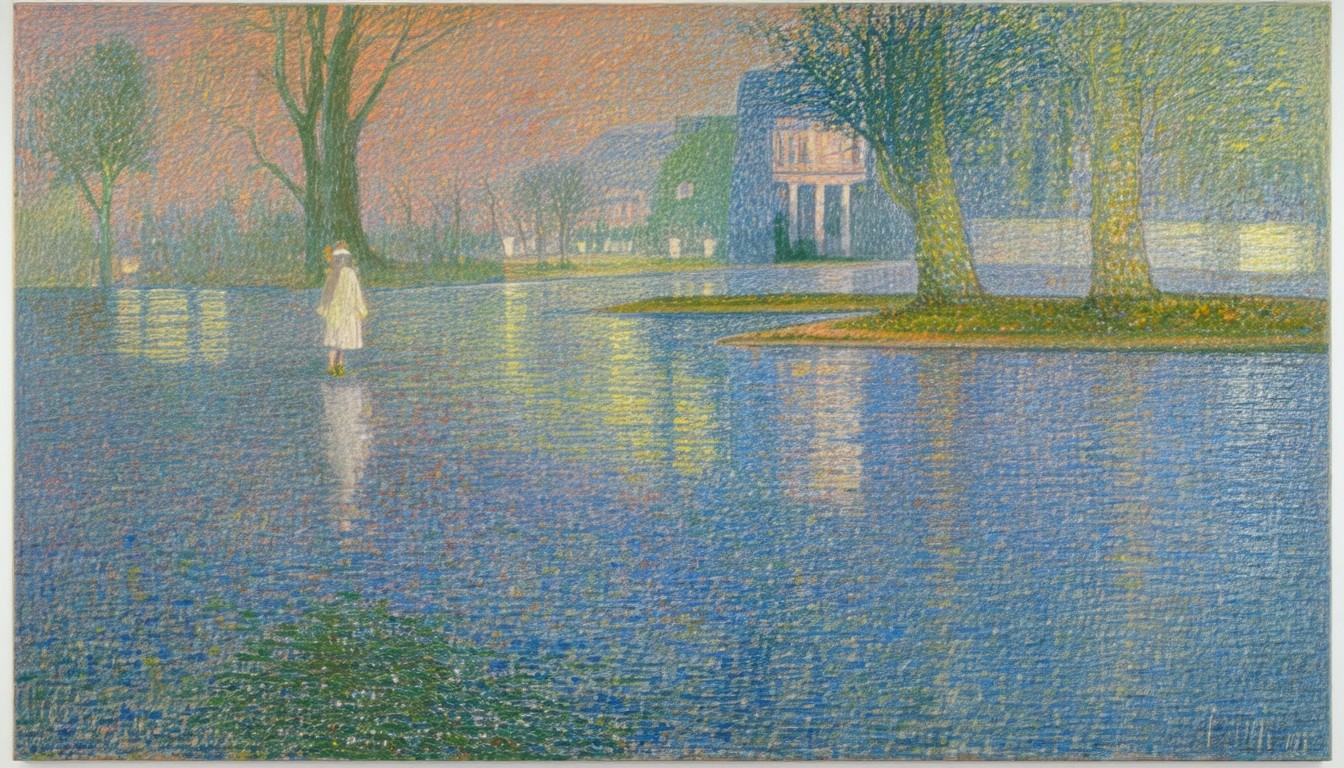
Within the ever-evolving landscape of contemporary art, few names resonate with quiet intensity quite like Johanna Thiebaud. As the daughter of Wayne Thiebaud, the American painter celebrated for his vivid still lifes and pop-art sensibility, Johanna Thiebaud grew up surrounded by creative energy. Yet, in forging her own artistic identity, Thiebaud has transcended familial legacy, leaving her own distinct mark on the gallery walls of the modern art world.
Her journey—from early influences to recognized exhibitions—encapsulates the resilience, introspection, and technical prowess demanded of today’s working artists. Johanna Thiebaud’s oeuvre, punctuated by evocative paintings and layered concepts, draws collectors, curators, and critics alike into a dialogue about vision, inheritance, and individual expression.
Early Biography and Artistic Formation
Johanna Thiebaud’s roots in Northern California provided fertile ground for creative development. Born into an environment steeped in art, her exposure to process and critique began at a young age. While her father’s career certainly provided access to tools and inspiration, Johanna’s evolution was shaped by broader influences—including the Bay Area’s distinctive artistic movements, travel, and academic study.
Education and Influences
Thiebaud attended programs dedicated to fine arts, where foundational drawing, painting, and theory classes introduced her to a diverse vocabulary of styles. Encounters with the works of mid-century modernists and figurative painters—all within the context of West Coast innovation—helped refine her palette and thematic preferences.
Beyond academia, the daily interplay of color, light, and culture in California fostered a sensibility that would become evident in her later works. According to gallerists familiar with her rise, Thiebaud’s early pieces demonstrate “a sensitivity to nuance, atmosphere, and the unspoken narratives between subject and space.” This grounding would set the stage for her distinctive body of work.
Defining Artworks: Themes, Motifs, and Techniques
Johanna Thiebaud’s paintings are marked by contemplative stillness and understated detail. Her subject matter often skirts the literal, favoring familiar domestic interiors, tranquil landscapes, and intimate portraits rendered with deft brushwork. Themes of memory, nostalgia, and identity repeatedly surface, inviting viewers to linger and interpret.
Mediums and Style
Predominantly working in oil on canvas and occasionally on paper, Thiebaud’s technique blends classical training with a contemporary sensibility. Soft-edged forms, cool shadows, and luminous highlights give her paintings a quietly cinematic quality. The spatial arrangements—a favorite topic among critics—evoke the feeling of waiting or remembering.
Recurring Motifs
- Domestic Spaces: Kitchens, hallways, and everyday objects populate her canvases, as if drawn from the fading edge of a childhood recollection.
- Portraiture: Thiebaud’s approach captures not only likeness but the psychology of her sitters, whether family or strangers.
- Light and Shadow: Shifting sunlight, reflective surfaces, and ambient tones imbue the works with atmospheric tension.
Art historian Rebecca Parker describes this approach as follows:
“Thiebaud creates emotional resonance not through grandiose gesture, but through the poetry of small moments and the reverberation of familiar spaces. Her paintings slow down time and ask us to see again, with clarity and empathy.”
Career Highlights: Exhibitions, Collaborations, and Critical Reception
Johanna Thiebaud’s rise has paralleled a broader resurgence in figurative and domestic painting among contemporary collectors. Her works have been exhibited in both solo and group shows at respected galleries across the United States. Notably, she has featured at institutions with longstanding connections to the Thiebaud name, while also garnering attention from independent curators.
Selected Exhibitions
- Solo Showcases: Thiebaud’s debut solo exhibitions established her as an artist capable of drawing substantial audiences—both for her surname and her undeniable talent.
- Group Shows: Participating alongside emerging and established artists, she has explored connections between memory, place, and visual narrative.
- Family and Mentorship Exhibits: Unique groupings have, at times, placed her works in conversation with her father’s, revealing both common threads and divergent paths in approach.
Critical Response
Art critics regularly note Thiebaud’s restraint and her ability to draw viewers into introspection. The Metropolitan Arts Council writes, “Thiebaud’s art occupies the liminal space between present and past, her brushwork serving as both barrier and invitation.”
Her paintings are held in private collections, and interest from international buyers has grown, reflecting an appreciation for the emotional universality of her visual language.
Thematic Depth and Artistic Voice
Beyond technique, what truly distinguishes Johanna Thiebaud is her exploration of personal and collective memory. Each piece suggests layers of experience—embedded histories, silences, traditions, and departures from the ordinary. Her subtle, poignant approach resists easy classification, instead situating her as an artist’s artist: committed to process, patient with ambiguity, and unafraid of gentle provocation.
Contemporary Resonance
In an era dominated by rapid image sharing and bold spectacle, Thiebaud’s work returns viewers to the quiet corners of daily life. Many art commentators hold up her paintings as an antidote to visual overstimulation, echoing the broader art-world conversation about the value of slow looking and emotional authenticity.
Recent years have also seen a new generation discover her work through digital gallery initiatives, a testament to the ongoing relevance of her subject matter—and to the way her artworks prompt reflection in both in-person and virtual settings.
Conclusion: Legacy and Ongoing Contributions
Johanna Thiebaud’s career illuminates the pathways contemporary artists travel—balancing lineage with individuality, tradition with innovation. Her paintings extend beyond biography, speaking to anyone moved by the interplay of light, memory, and emotion.
With each exhibition and artwork, she continues to refine her voice and expand her impact in the art world. For collectors and enthusiasts, Johanna Thiebaud represents a bridge between revered artistic heritage and the unfolding stories of a new generation.
FAQs
Who is Johanna Thiebaud?
Johanna Thiebaud is a contemporary American painter known for her introspective portrayals of domestic scenes and portraits. As the daughter of renowned artist Wayne Thiebaud, she carries forward a legacy while cultivating her unique artistic style.
What style of art is Johanna Thiebaud known for?
Her work blends elements of realism and minimalism, often focusing on nuanced interiors, subtle light effects, and psychological portraiture. Critics note her ability to evoke mood and narrative through restrained, evocative compositions.
Where has Johanna Thiebaud exhibited her work?
Thiebaud’s paintings have been included in solo and group shows at respected galleries and art institutions, particularly across California and the West Coast. She has also participated in exhibits that explore generational influence within art.
How does her background influence her artistic approach?
Growing up in an artistic household, Johanna Thiebaud was influenced by both her father’s discipline and the creative milieu of the Bay Area. This environment contributed to her refined sense of color, space, and narrative within her own practice.
Are Johanna Thiebaud’s paintings available for purchase?
Selected works are held in private collections, and some galleries represent or occasionally offer her paintings for sale. Interested collectors are advised to inquire directly with galleries known to exhibit her work.
What themes recur in Johanna Thiebaud’s art?
Common themes include memory, family, the passage of time, and the emotional resonance of everyday spaces. Her subtle use of light and detail invites viewers to connect personal experience with universal stories.



 1/276 Bronte Rd , Sydney , Australia