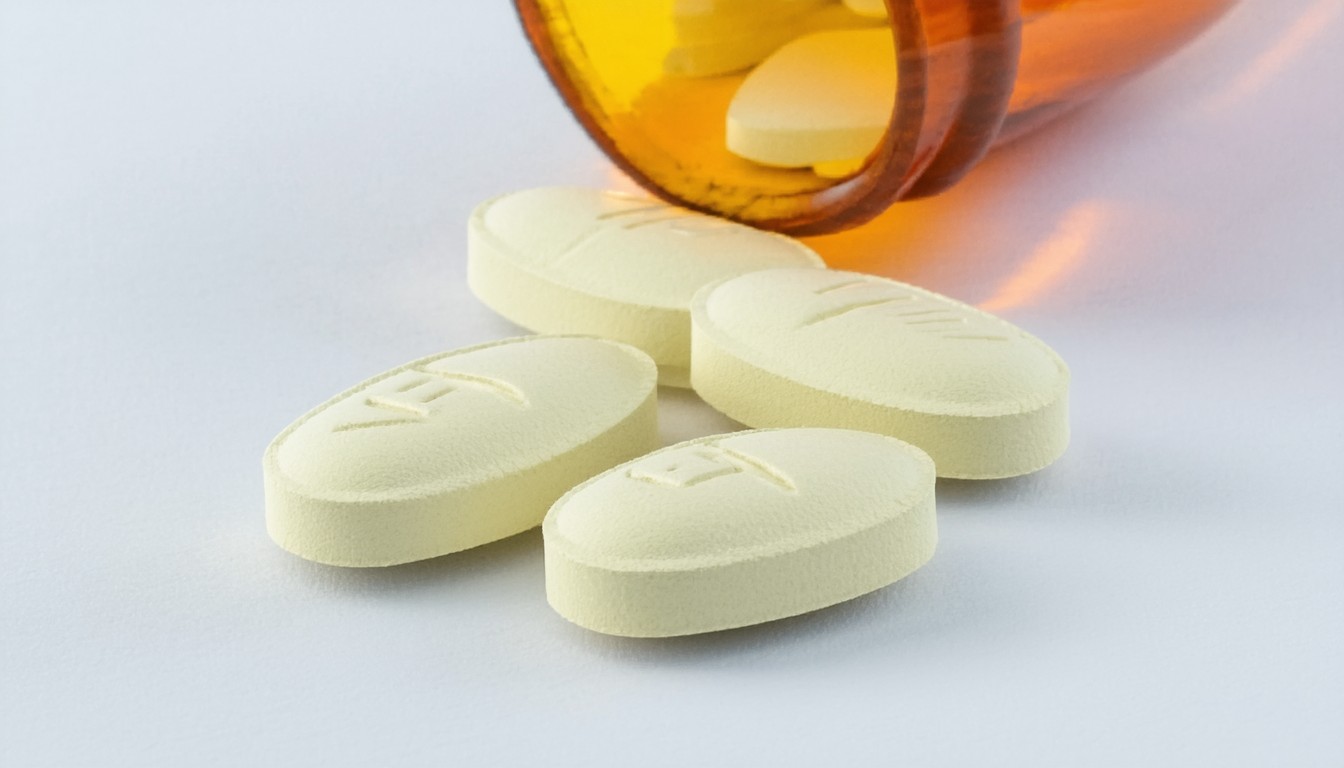
Effective health management often hinges on informed choices about medications. Among the array of options, Abithelp tablets have caught the attention of healthcare providers and patients for their targeted functionality and therapeutic outcomes. This guide examines the uses, benefits, possible side effects, and optimal dosage considerations of Abithelp tablets, drawing on clinical insights and patient-centered care frameworks.
What Are Abithelp Tablets?
Abithelp tablets are a proprietary medicinal formulation frequently prescribed for the management of inflammatory and pain-related conditions. These tablets typically contain a combination of active ingredients designed to tackle symptoms such as swelling, pain, and tissue discomfort.
Many formulations in this category leverage a blend of anti-inflammatory agents, analgesics, or enzymatic compounds. The goal is often to accelerate recovery, decrease discomfort, and restore function, particularly in cases involving muscular injuries, joint disorders, or chronic musculoskeletal issues.
Key Ingredients and Their Role
While precise compositions vary, Abithelp tablets are commonly known to include:
- Proteolytic enzymes for reducing inflammation and promoting healing
- Non-steroidal anti-inflammatory drugs (NSAIDs) for controlling pain and swelling
- Supportive herbal extracts to enhance tolerability and minimize gastrointestinal discomfort
This balanced approach caters to both acute and chronic conditions, favoring a comprehensive symptom management protocol.
Uses of Abithelp Tablets
Physicians may recommend Abithelp tablets under several scenarios, particularly where reducing inflammation and restoring mobility are clinical priorities.
Common Clinical Indications
- Musculoskeletal Injuries: Sprains, strains, and sports-related trauma often respond well to the anti-inflammatory effects of Abithelp.
- Arthritis Management: In osteoarthritis or rheumatoid arthritis, these tablets can alleviate joint pain and curb stiffness.
- Post-Surgical Recovery: Reducing edema and tissue inflammation after minor surgical procedures is another recognized application.
- Dental Procedures: Dentists sometimes prescribe such tablets to manage swelling and pain after extractions or periodontal surgery.
“Combination therapy with proteolytic enzymes and anti-inflammatories can meaningfully reduce recovery time and improve patient outcomes in injury management,” notes Dr. Radhika Sharma, an orthopedic consultant.
In clinical settings, Abithelp tablets are often integrated into a broader care plan, including rest, physical therapy, and lifestyle modifications.
Notable Benefits of Abithelp Tablets
The primary advantage of Abithelp tablets lies in their ability to tackle discomfort from multiple biochemical pathways.
Multi-Action Relief
- Fast-Acting Pain Control: Many users report noticeable pain relief within several hours of the first dose.
- Reduced Swelling: The anti-inflammatory ingredients help limit edema formation, which accelerates mobility return.
- Tissue Healing Support: Enzyme components are believed to assist in breaking down inflammatory proteins, fostering a more rapid resolution of tissue damage.
For example, athletes recovering from minor ligament injuries have noted expedited recovery when Abithelp is incorporated into their regimen, supporting return-to-play protocols favored in sports medicine.
Enhanced Compliance
Unlike high-dose NSAIDs, Abithelp is often better tolerated, especially for patients with a history of digestive sensitivities. This translates into improved adherence and, consequently, more reliable clinical outcomes.
Potential Side Effects and Considerations
No medication is entirely without risk. While Abithelp tablets generally have a favorable safety profile, some individuals may experience adverse reactions.
Commonly Reported Side Effects
- Gastrointestinal Upset: Mild nausea, heartburn, or diarrhea may occur, particularly if the tablets are taken on an empty stomach.
- Hypersensitivity Reactions: In rare cases, allergic reactions—such as skin rashes or swelling—have been documented.
- Prolonged Bleeding: Enzyme-containing medications can slightly increase the risk of bleeding in certain populations, especially those on anticoagulant therapy.
It is noteworthy that most side effects are mild and self-limiting. However, predisposing medical conditions (such as peptic ulcers or bleeding disorders) should be discussed with a healthcare provider before starting Abithelp.
Drug Interactions
Combining Abithelp tablets with other anti-inflammatory agents or blood thinners requires careful supervision. Physicians routinely review medication lists to prevent adverse interactions and ensure holistic safety.
Dosage Guidelines for Safe and Effective Use
Personalized dosing is essential given the variability in patient needs, underlying conditions, and comorbidities.
Standard Adult Dosage
- Typical Regimen: 1–2 tablets, taken two to three times daily after meals
- Course Duration: For acute issues, cycles may span 7–14 days; chronic prescriptions are tailored to long-term management plans
Children, elderly patients, and individuals with compromised kidney or liver function generally require dosing adjustments. Adherence to prescribed instructions is paramount for both efficacy and safety.
Dosage Adjustments and Missed Doses
Missing a dose typically does not warrant taking extra tablets; patients are advised to continue with the next scheduled dose and avoid doubling up. Excessive intake, intentional or accidental, should be flagged to a physician immediately, especially if unusual symptoms develop.
Real-World Context and Patient Stories
Across clinics and rehabilitation centers, Abithelp has become part of multidisciplinary care models. One physical therapy practice, for example, found that joint use of Abithelp tablets with manual therapy improved patient-reported pain scores more rapidly than conservative care alone.
This integrative model reflects a larger healthcare trend: combining pharmacology with physiotherapy, nutrition, and patient education to maximize health outcomes sustainably.
Conclusion: Best Practices for Abithelp Tablet Use
Abithelp tablets present a versatile option for managing inflammatory and pain-related conditions, with evidence-supported relief and generally good tolerability. Collaboration with a healthcare provider, honesty about medical history, and reading medication leaflets can further enhance treatment outcomes and minimize risks.
As with all medications, individualized care is key. Patients should adhere closely to prescribed regimens and communicate promptly if side effects arise.
FAQs
What are Abithelp tablets primarily used for?
Abithelp tablets are most commonly used to treat pain and inflammation from musculoskeletal injuries, arthritis, dental procedures, and postsurgical swelling.
Can Abithelp tablets be taken on an empty stomach?
It is generally recommended to take Abithelp tablets after meals to minimize the risk of gastrointestinal side effects like nausea or heartburn.
Are there any major side effects associated with Abithelp tablets?
Most users experience mild side effects, if any, such as digestive upset or skin rash. Serious allergic reactions or bleeding issues are rare but possible.
Can I take Abithelp tablets with other medications?
Patients should inform their doctor about all current medications before starting Abithelp tablets, as interactions may occur with blood thinners, other anti-inflammatories, or certain supplements.
Is long-term use of Abithelp tablets safe?
Long-term use may be appropriate in some chronic conditions under medical supervision, but regular assessment by a healthcare provider is recommended to avoid cumulative side effects.
What should I do if I miss a dose?
If a dose is missed, continue with the next scheduled dose without doubling up to avoid potential side effects from excessive intake.



 1/276 Bronte Rd , Sydney , Australia