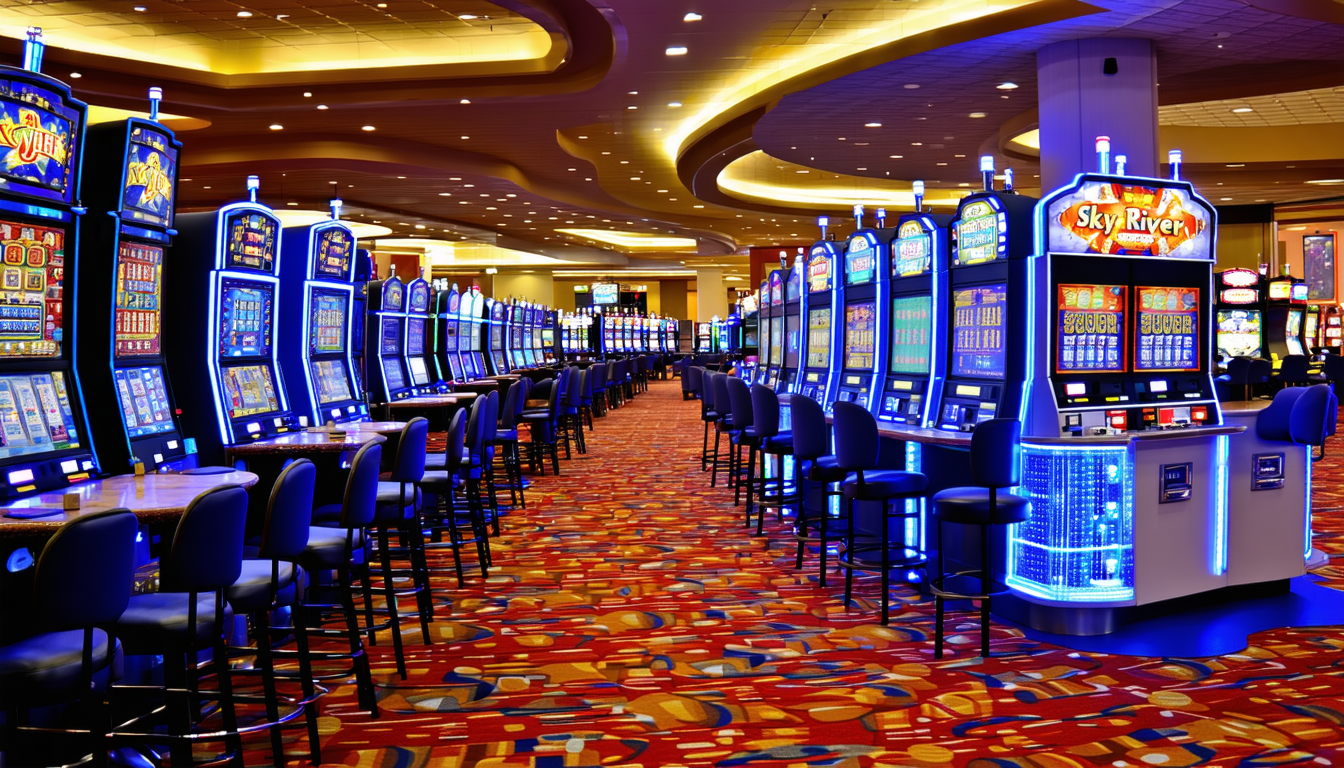
Sky River Casino, nestled just off Highway 99 in Elk Grove, California, is more than a point of indulgence—it’s a story of revival, cultural identity, and dynamic growth. Born from the ashes of the so-called “Ghost Mall,” this gaming haven marks Sacramento County’s first tribal casino, operated by Boyd Gaming on land owned by the Wilton Rancheria tribe . What follows is a dive into its evolution as a gaming powerhouse, culinary hub, and community catalyst—and, yes, the occasional human quirk woven into the narrative.
Gaming Thrills and Evolution
Sky River Casino launched with a bold presence: around 2,100 slot machines and over 80 table games set within approximately 100,000 square feet of gaming space . That footprint is already staggering. Over time, expansions have brought in new high-limit sections, VIP gaming, and a host of promotional events crafted to keep players engaged.
Expansion and Growth
Just two years in, ambitious expansion is underway: a 300-room hotel, expansive parking garage, spa, outdoor pool, VIP gaming rooms, and a fresh restaurant and bar are all in the pipeline . These additions signal a shift from a gaming-only destination to a full-service resort. It’s a deliberate tilt, positioning Elk Grove alongside long-established destinations, emphasizing hospitality as much as jackpots.
Real Player Tales: Atmosphere and Experience
Reality check: the gaming floor isn’t all glitz. Some visitors highlight concerns over dense smoke and spotty ventilation, describing the environment as needing serious air-quality fixes . On the bright side, others report thrilling “god roll” craps sessions lasting tens of rolls and multi-thousand-dollar wins—a testament to the unpredictable excitement .
“A session that took about 4 hours long… the madness of chips on the table… a ‘god roll’ of 73 rolls.”
Rather human, right? The high and the low, the rush and the rush of smoke—Sky River is alive with contradictions.
Dining Delights and Culinary Diversity
Switching gears—well, forked spoons—Sky River isn’t just about cards and slots. It’s increasingly a foodie’s playground.
The Market at Sky River: Food Court Freedom
The Market boasts 10+ stalls offering everything from sushi and street tacos to rotisserie and Vietnamese pho . It’s where quick bites meet stylistic variety, catering seamlessly to hungry punters and groups with differing tastes.
Standalone Venues: Elevated Dining and Lounges
The casino takes sophistication up a notch with SR Prime Steakhouse, 32 Brews Street offering seasonal-crafted pub fare, Dragon Beaux for modern dim sum, and The Humidor—a whiskey and cigar lounge introduced in early 2024 . This mix caters to both casual grazing and more refined experiences in one building—such a mix rarely goes unnoticed.
Community, Culture, and A Shared Future
Beyond the bells and buzz, Sky River embodies a bigger purpose: supporting the Wilton Rancheria tribe’s path to self-sufficiency . Since regaining federal recognition in 2009, the tribe has aimed to reinvest in its community, and so far, it’s working: the casino generated over 1,600 jobs and will contribute an estimated $130 million in payments to Elk Grove over 20 years .
City officials credit Sky River with transforming Elk Grove’s social and economic scene:
- Entertainment lifeline: “Energy” and a sense of place have returned to the area .
- Local investment: Funds are financing infrastructure, like fire stations and road projects—not just for gamblers, but for the community at large .
Community Voices—Raw and Real
Let’s leave the formal tone for a second—here are spontaneous reactions from real folks:
- Smoke issue: “It took me about an hour to lose $60… place reeks of smoke… ventilation so inadequate…” .
- Craps frustration: “Deals make constant mistakes… watch your payouts… they gas-lighted for about 15 minutes…” Ouch. .
These glimpses of frustration and delight make the place feel human, imperfect, and undeniably real.
Conclusion
Sky River Casino stands as a compelling microcosm of transformation—from idle “Ghost Mall” to thriving tribal entertainment hub. It blends over 2,100 slot machines with vibrant dining choices, high-stakes gaming stories, and cultural significance, all while fueling Elk Grove’s economic revitalization. Yet, it remains human and imperfect—thick smoke, long promotional lines, and occasional payout gripes speak to the very human inconsistencies that come with every growing enterprise.
For those planning a visit, whether for food, thrills, or community curiosity, expect both glamour and grit. And for local stakeholders, keep watching: the resort-style expansion promises deeper ties to the region’s long-term growth.
FAQs
What’s the overall size and scope of gaming at Sky River Casino?
Sky River spans about 100,000 square feet of gaming space, featuring approximately 2,100 slot machines and over 80 table games. It’s designed to offer a robust mix of both machines and live gaming.
What dining options are available on-site?
There’s a large food court called The Market with around ten diverse options—tacos, sushi, Vietnamese cuisine, and more. Plus, sit-down venues include SR Prime Steakhouse, Dragon Beaux, 32 Brews Street, and a cigar-and-whiskey lounge called The Humidor.
How is Sky River contributing to the local community?
Operated jointly with the Wilton Rancheria tribe, the casino created about 1,600 jobs and is set to contribute over $130 million to the Elk Grove area over 20 years, funding public infrastructure, safety, and cultural events.
Are there any complaints or common concerns from visitors?
Yes—some guests cite poor air ventilation and thick smoke as a downside, along with occasional gameplay or payout issues. But others report thrilling long rolls in craps and big wins.
What expansions are planned or underway?
Plans include a 300-room hotel, spa, pool, multi-level parking, VIP and high-limit gaming areas, and new dining spaces—marking the shift toward a full-fledged resort experience.
Is Sky River Casino unique in Sacramento County?
Absolutely. It’s the first tribal casino in Sacramento County and was built on the former “Ghost Mall” site, transitioning an abandoned property into a cultural and economic hub.



 1/276 Bronte Rd , Sydney , Australia