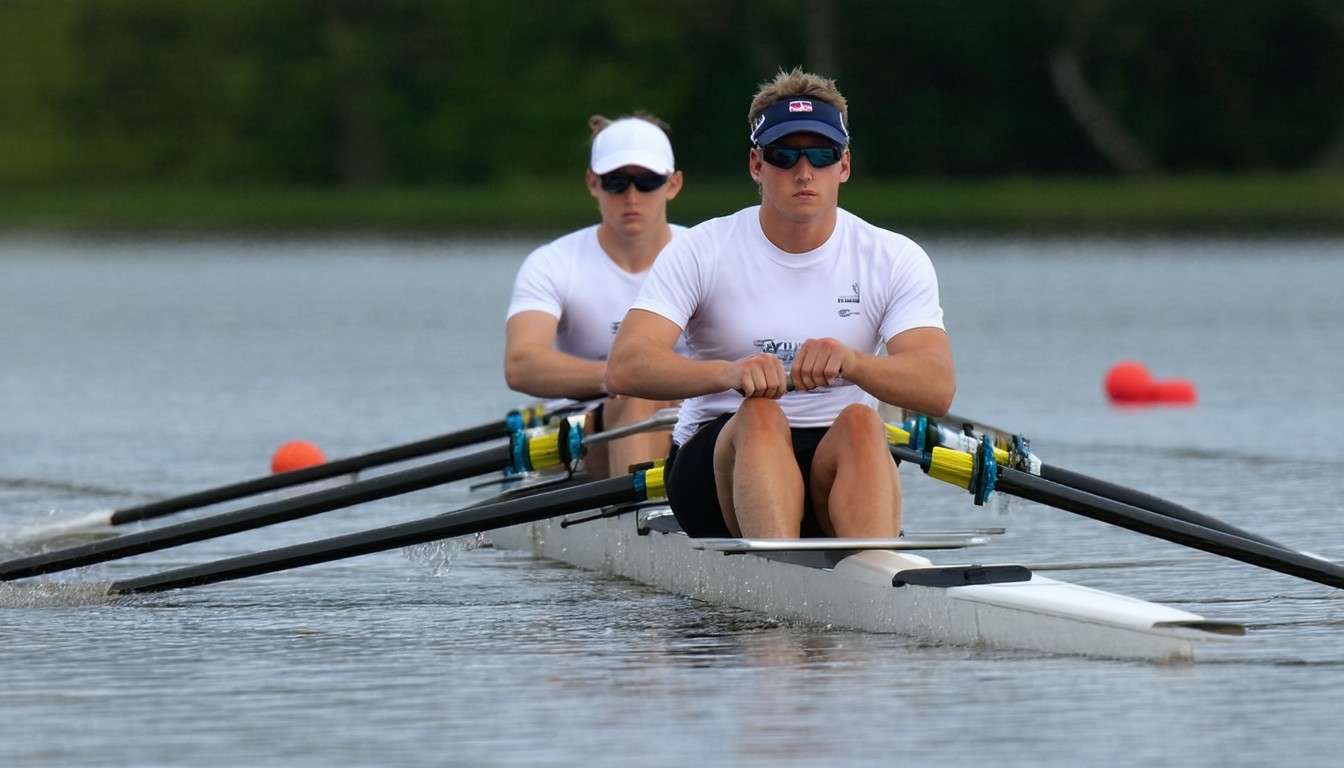
Rowing stands among the most disciplined and closely monitored sports internationally. While races are often won by inches and split-second decisions, the integrity of competition depends on strict adherence to rules. Instances of crew disqualification—known in many circles as “being disquantified”—hold significant consequences, not just for individual rowers but entire teams, clubs, and collegiate programs. Awareness and comprehension of why disqualifications occur is essential for athletes, coaches, and supporters striving for fair play and excellence.
In recent years, organizations such as World Rowing (FISA) and the NCAA have tightened their focus on enforcing standards, leading to heightened scrutiny and accountability. A single misstep—intentional or otherwise—can mean exclusion from medal contention, recalibration of season goals, or even reputational impact for storied programs. The stakes, clearly, have never been higher.
Most Common Grounds for Crew Disqualification
Rowing disqualification, or “crew disquantified,” arises when a boat, crew, or rower violates competition rules, whether by accident or design. Primary causes generally fall into the following categories:
Technical Infractions: Equipment and Lane Violations
Equipment compliance is foundational. Boats and oars must meet precise regulations on weight, length, and construction. Any modification deemed illegal, such as an altered sliding seat or insufficient flotation devices, may result in immediate expulsion from an event.
Lane violations are equally critical. Crews are mandated to remain within their designated racing lanes to ensure safety and fairness. Steering outside the lane or impeding another boat’s progress—deliberately or inadvertently—can prompt a warning, progressing to full disqualification if not quickly corrected.
Conduct and Sportsmanship Issues
Beyond technical adherence, the culture of rowing holds sportsmanship in high regard. Unsportsmanlike conduct—such as aggressive language, intentional obstruction, or ignoring umpire instructions—may result in warnings or ejection. Even actions occurring before or after official races, particularly verbal altercations or disrespectful celebrations, fall under scrutiny.
Doping and Eligibility Problems
Rowing follows a strict anti-doping code, aligning closely with international sporting standards. Crews found in violation face immediate and often prolonged bans. Similarly, eligibility controversies—including the use of unauthorized substitutes, falsifying age or academic status, or misrepresenting amateur status—may void race results retroactively.
“In rowing, a single breach—be it technical, ethical, or related to eligibility—doesn’t just affect one individual. It risks the standing of the entire team and shapes the narrative of that competitive season.”
— Dr. Elise Bourg, Rowing Ethics and Compliance Analyst
Impact of Crew Disqualification: Lessons from Real Events
Disqualification echoes beyond the water, affecting morale, competitive rankings, and, in high-profile cases, attracting extensive media attention. At the 2019 World Rowing Championships, a favored European crew was disqualified after a coxswain’s late equipment check revealed a non-compliant life jacket. The incident not only cost the team a medal shot but led to internal reviews and a season-long emphasis on compliance education.
Collegiate rowing is especially sensitive to “crew disquantified” outcomes. Notable cases have seen entire regatta results overturned due to a single academic ineligibility. These reversals emphasize the interconnectedness of sporting, academic, and ethical standards within institutionally governed sports.
For many programs, crew disqualification is more than a regulatory event; it’s a catalyst for systemic change—updating checklists, reinforcing pre-race rituals, and prioritizing clarity in eligibility tracking. The ripple effects are felt in recruiting strategies, coaching contracts, and donor relations.
Preventing Disqualification: Best Practices for Crews and Coaches
Minimizing disqualification risk demands vigilance at every level. Teams institute multi-tiered checks before each competition, including:
- Rigorous pre-race equipment inspections, often double-checked by non-crew volunteers.
- Lane and steering drills during practice, honing coxswain teamwork and reaction skills.
- Regular sportsmanship workshops, featuring real-life scenarios and possible repercussions.
- Doping education, in partnership with anti-doping agencies and health professionals.
- Continuous review of eligibility documentation, especially during high-stakes races.
Coaching staffs foster transparent dialogues, empowering every crew member to report concerns without fear of reprisal. This culture of open communication, coupled with practical education, is shown to dramatically reduce accidental infractions and build trust within the rowing community.
The Role of Officials and Rowing Bodies
While the onus is often on athletes and coaches, the role of event officials remains indispensable. Umpires and referees receive ongoing training to ensure consistent rule enforcement. Additionally, many regattas now use digital tracking for both equipment checks and athlete eligibility, lessening administrative errors.
In a survey conducted by a major national rowing federation, programs that proactively engaged with official oversight—seeking clarification on ambiguous rules or alerting authorities to potential gray areas—reported fewer disqualification incidents per season.
Navigating Appeals and Reinstatement
Disqualification is rarely the end of the process. Most governance bodies, including USRowing and university leagues, allow for a structured appeals system. While successful appeals are not commonplace, transparent and timely submission of evidence—such as video footage, medical reports, or academic confirmation—can occasionally overturn a disqualification if procedural error or extenuating circumstances are demonstrated.
For instance, after a contentious lane violation at a collegiate regatta in the Northeast, a crew’s video evidence revealed a wake disturbance from a nearby motorboat rather than steering error. The organizing committee reversed the DQ, underscoring the importance of documentation and clear communication channels.
Conclusion: Commitment to Fair Play in Rowing
Crew disqualification, or “crew disquantified,” holds a pivotal place in preserving fairness and accountability in rowing. While technical rules and eligibility standards set clear boundaries, the culture of integrity and learning from mistakes propels the sport forward. Whether aspiring Olympians or local club rowers, crews that prioritize compliance, sportsmanship, and open communication are most likely to race with confidence—and without fear of disqualification. For rowing’s continued legacy, these principles aren’t merely guidelines. They serve as the sport’s backbone.
FAQs
What does “crew disquantified” mean in rowing?
It refers to a rowing crew being disqualified from a race or event, typically due to rule violations, equipment issues, or conduct infractions.
What are the most common reasons for disqualification in rowing?
Frequent causes include lane violations, non-compliant equipment, unsportsmanlike behavior, and breaches of eligibility or anti-doping regulations.
Can a crew appeal a disqualification decision?
Yes, most rowing events and governing bodies provide formal appeals processes. Success depends on presenting compelling evidence or identifying procedural mistakes.
How can teams prevent potential disqualification?
By conducting thorough pre-race checks, staying current with rule changes, prioritizing sportsmanship, and maintaining clear documentation related to eligibility and equipment.
Does a crew disqualification affect the entire team or just the individual?
In rowing, most disqualifications impact the whole boat or crew, though individual eligibility issues can also result in team-wide consequences.
Are there official resources to track rules and eligibility changes?
Yes, organizations like World Rowing, USRowing, and collegiate athletic departments frequently update rulebooks and provide education resources for athletes and coaches.


 info@superlot2.com
 1/276 Bronte Rd , Sydney , Australia