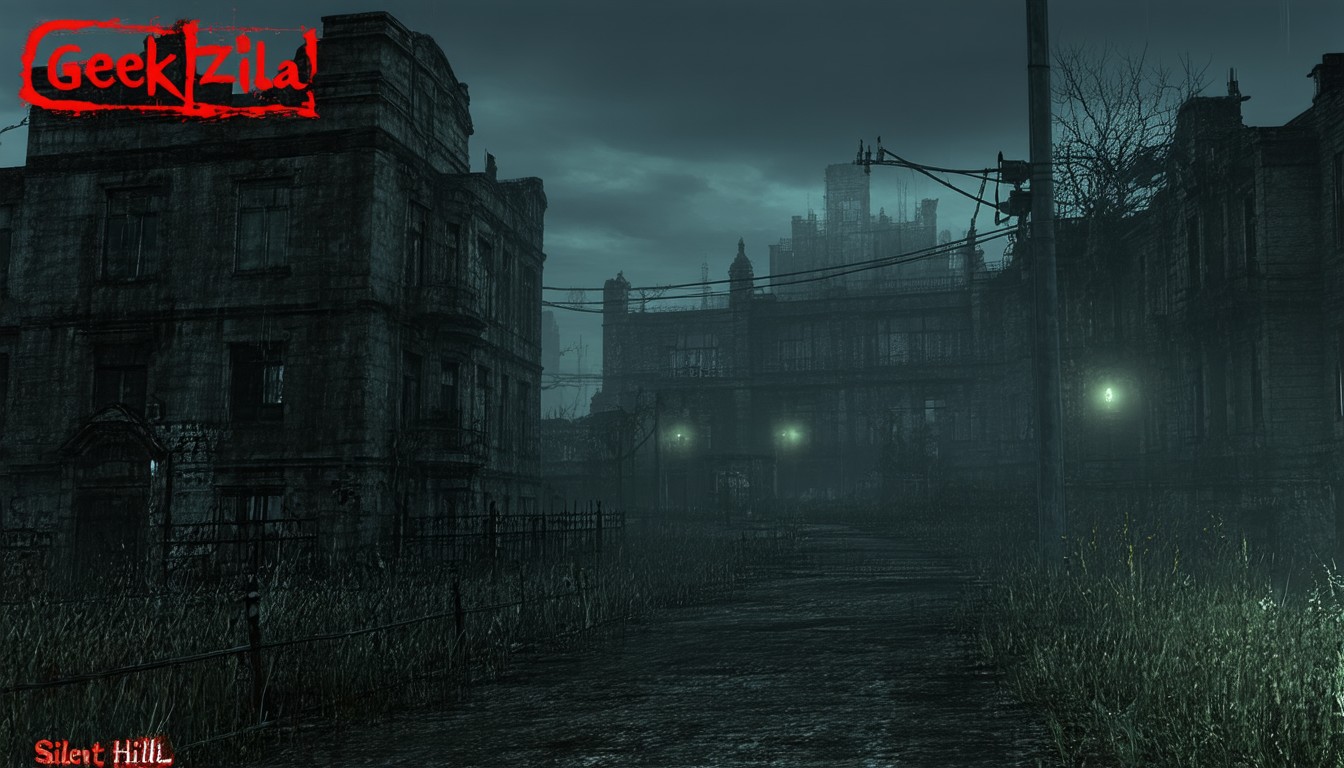
For decades, Silent Hill has stood as a pillar of atmospheric horror in gaming. Its chilling fog-lined streets, cryptic puzzles, and unsettling narrative have left a permanent mark on fans of the survival horror genre. Yet, beneath its surface lurk countless secrets, riddles, and elusive endings—elements that often challenge newcomers and veterans alike. The “Guia Silent Hill Geekzilla” emerges as an essential resource, guiding players through this psychological labyrinth and offering strategies to face the horrors that await.
What makes Geekzilla’s guide especially invaluable is its blend of data-driven analysis, community insights, and carefully tested techniques. As the Silent Hill series enjoys a resurgence thanks to remakes and renewed interest online, a robust, trustworthy reference is more relevant than ever.
The Core Elements of Survival: Health, Combat, and Inventory
Navigating Silent Hill demands more than quick reflexes. The survival horror experience hinges on understanding its layered systems: resource management, nuanced combat, and item discovery.
Health and Stamina Management
Unlike many modern games that offer generous healing or auto-regenerating health, Silent Hill stands apart. Health kits and first aid items are limited, requiring careful prioritization and often forcing players to make tough choices.
Strategies for Resilience
- Monitor Health Icons Closely: The fading color or heartbeat sounds can signal danger well before a player realizes they’re in critical health.
- Save Restoratives for Boss Fights: Minor scrapes may not require immediate healing; save supplies for unavoidable damage spikes.
- Inventory Scouting: Regularly revisit previously explored areas, as some respawning items are location-dependent.
The Geekzilla guide emphasizes the importance of adapting to each game in the franchise, as titles like “Silent Hill 2” subtly adjust enemy patterns and health item placements to raise the stakes.
Mastering Silent Hill Combat
Combat in Silent Hill is infamously unwieldy—intentionally so—designed to evoke anxiety rather than empowerment. The unpredictable controls serve the atmosphere but also demand a deliberate approach.
“Part of what makes Silent Hill unsettling is how combat always feels just a bit too clumsy, forcing players into constantly weighing risk versus reward.” — Daniel Vaughn, horror game analyst
Geekzilla’s advisors recommend:
– Pattern Recognition: Study enemy movement before engaging; rushing in leads to wasted resources.
– Weapon Efficiency: Use melee weapons where possible to conserve precious ammunition for tougher foes.
– Retreat as a Tactic: Sometimes fleeing is safer than fighting, especially when low on supplies.
Deciphering Puzzles and Unlocking Secret Endings
Puzzles act as Silent Hill’s intellectual heart, often blurring the line between logic and nightmare logic. Many fans consider these enigmas the series’ most rewarding—and daunting—challenge.
Puzzle-Solving Frameworks
Some puzzles are environmental, others language-based or even reliant on keen memory. To succeed, players benefit from a robust toolkit:
– Item Inspection: Examine every object for hidden clues or interactive components.
– Note-Taking: Many solutions reference earlier story elements or environmental cues; jotting down details prevents needless backtracking.
– Difficulty Settings: Be aware that some games modify puzzle complexity based on the chosen setting, rewarding replay with fresh riddles.
Beyond this, Geekzilla’s guide catalogs the most notorious puzzles and offers both direct solutions and frameworks for independent problem-solving, helping maintain immersion while curbing frustration.
The Allure of Multiple Endings
Silent Hill’s branching conclusions are a major draw, their “true” or “hidden” endings often hinging on minute in-game choices. Examples include:
– Character Interactions: How empathetically players respond determines major narrative outcomes.
– Environmental Actions: Seemingly minor acts, like examining photographs or using a specific item, may unlock different epilogues.
Given the ambiguity of many of these triggers, Geekzilla compiles up-to-date community findings and developer commentary, providing the most reliable path to each ending without excessive spoiler exposure.
Maximizing Atmosphere: Immersion, Fear, and Replayability
No discussion of Silent Hill is complete without addressing its peerless atmosphere. Achieving total immersion is both a technical feat and a design philosophy, fueled by soundscapes, environmental storytelling, and deliberate pacing.
Audio and Visual Cues
Akira Yamaoka’s haunting soundtrack and the innovative use of radio static are more than aesthetic; they are gameplay tools. Static alerts players to unseen threats, while changes in music signal narrative turns or impending danger. Veteran players learn to rely on these cues as early warning systems.
Environmental Storytelling
Each Silent Hill title embeds narrative clues in its world design—graffiti, architectural decay, abandoned objects. These details elevate the horror, inviting players to piece together the town’s tragic history on their own terms. Geekzilla’s guide recommends:
– Slow Exploration: Avoid rushing; crucial secrets are often tucked away in visually distinctive yet easily overlooked corners.
– Psychological Engagement: Lean into the uncanny, letting the game’s ambiguous storytelling fuel personal interpretation and replay value.
Case Study: Applying the Geekzilla Approach to Silent Hill 2
Silent Hill 2 is widely regarded as the franchise’s high-water mark, lauded for its narrative depth and emotional complexity. Applying the “Guia Silent Hill Geekzilla” framework, players discover:
- A map-based method to avoid unneeded combat, maximizing health conservation.
- Step-by-step solutions for the infamous coin and music box puzzles.
- Decision trees for reaching iconic endings like “Leave,” “In Water,” and “Rebirth.”
These strategies, drawn from years of fan collaboration and analyst review, exemplify why comprehensive guides remain essential in the era of speedruns and streaming.
Conclusion: Why the Guia Silent Hill Geekzilla Remains Essential
The cult status of Silent Hill ensures a steady influx of new adventurers, each seeking their own meaning amidst the fog. Geekzilla’s detailed, community-informed strategies bridge the gap between esoteric design and accessible play, allowing both first-timers and returning fans to experience the series at its haunting best. With the broader revival of psychological horror gaming, such guides stand poised to help the next generation unravel the town’s many secrets—one puzzle, encounter, and ending at a time.
FAQs
What distinguishes the Guia Silent Hill Geekzilla from other guides?
Geekzilla stands out by blending data-backed insights, crowd-sourced solutions, and up-to-date information, ensuring players have the most effective tips without excessive spoilers.
How can players unlock all Silent Hill endings?
Earning every ending typically requires replaying the game and making different story choices, exploring thoroughly, and following specific item or interaction paths. Guides like Geekzilla’s simplify this process with timeline checklists and choice maps.
Are there any modern tools for tracking progress in Silent Hill?
Many players now use digital note apps or map overlays while playing, but comprehensive guides remain valuable for highlighting secrets that aren’t easily tracked by external tools.
Does Silent Hill change depending on difficulty settings?
Yes; both enemy resilience and puzzle complexity can scale with difficulty choices, making each playthrough distinct and contributing to the game’s lasting appeal for challenge-seeking fans.
Is the Geekzilla guide updated to include remakes or recent releases?
The Geekzilla team actively incorporates updates from new releases and community findings, ensuring even the latest titles or remakes are covered with fresh, accurate information.


 info@superlot2.com
 1/276 Bronte Rd , Sydney , Australia