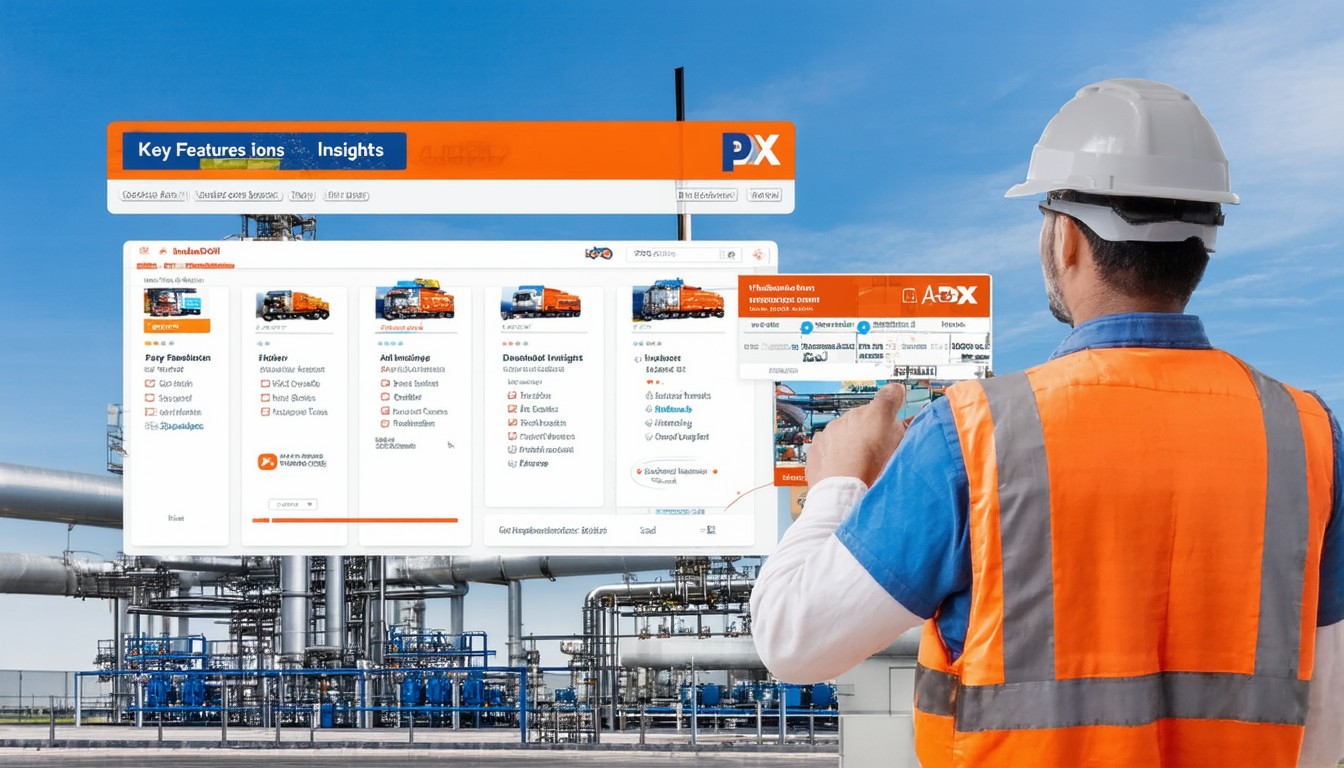
In an era where data-driven decision-making is the norm, the integration of specialized data sources into centralized dashboards is transforming industrial efficiency. For companies like IndianOil—one of India’s largest petroleum corporations—the ability to synthesize process data, operational analytics, and external metrics into a single platform is a vital competitive edge. PX IndianOil integration in dashboard environments is no longer a technical afterthought; it has become a strategic priority, driving reliability, transparency, and real-time responsiveness across operations.
From refinery managers to C-suite executives, the demand for consolidated, actionable insight continues to grow. Less time spent sifting spreadsheets means more energy focused on risk mitigation, process optimization, and strategic agility. As dashboards become the nerve centers for operations, seamless integration with IndianOil’s Process eXecution (PX) systems fundamentally redefines how organizations visualize, interact with, and act upon critical information.
Understanding PX and Its Impact on Workflow Visibility
The Core of PX Systems in IndianOil Operations
Process eXecution (PX) platforms are purpose-built solutions designed to track, automate, and optimize complex process flows across refineries, distribution networks, and retail operations. IndianOil’s PX deployment facilitates data collection from diverse assets: storage tanks, pipelines, valves, sensors, and more. This integration forms a digital backbone, logging parameters ranging from temperature and flow rates to inventory levels and anomaly alerts.
Without PX, monitoring such data in silos typically results in operational blind spots, missed optimization opportunities, and increased risk of human error. PX’s structured approach standardizes information, streamlines compliance reporting, and empowers technicians with the foresight needed to preempt disruptions.
Real-World Scenarios: Streamlining Operations Through Integrated Data
Consider a scenario at a major IndianOil refinery where product quality and throughput can shift within hours due to input fluctuations. With PX integration, dashboard users can visualize patterns, flag outliers, and trigger automated workflows in response to evolving conditions.
“Integrating live PX data into dashboards has allowed us to optimize turnaround strategies, reduce unplanned downtime, and enhance overall plant safety,” said an operations technology executive at a leading Indian oil & gas firm.
Such integration supports everything from routine maintenance scheduling to crisis response, reducing operational lag and sharpening the accuracy of high-stakes decisions.
Key Features of PX IndianOil Dashboard Integration
Unified Data Visualization
The most noticeable feature of PX IndianOil dashboard integration is unified visualization. Managers no longer jump between disparate screens or reconcile conflicting datasets. Instead, they access interactive graphs, drill-down analytics, and real-time KPIs—often within a single pane of glass.
Commonly visualized data streams include:
- Process efficiency metrics (e.g., energy consumption per barrel)
- Tank inventory and movement logs
- System health and predictive maintenance alerts
- Compliance and regulatory parameters
Dynamic filters, user-configured reports, and mobile-friendly interfaces further strengthen flexibility—making information accessible whether on-site or remote.
Automated Alerts and Predictive Analytics
Modern dashboards powered by PX integration elevate more than visibility; they enable proactive management. Real-time alerts for parameter deviations (for example, sudden drops in throughput or abnormal tank pressures) can trigger automatic escalation procedures or immediate interventions.
Predictive analytics modules—driven by machine learning models—leverage PX data to identify subtle trends before they escalate. This has been especially valuable in anticipating equipment failures or optimizing energy consumption.
Customizable User Roles and Security
Given the scale and criticality of IndianOil’s operations, not every user requires the same data access. Robust security and role-based access controls are standard: technicians, supervisors, and executive leaders each see tailored dashboards relevant to their job functions.
Data encryption, audit trails, and user authentication mechanisms are essential for both operational integrity and regulatory compliance.
Implementation Challenges and Best Practices
Overcoming Legacy System Barriers
Integrating PX data with modern dashboard platforms often means bridging legacy systems with cutting-edge analytics. This requires middleware capable of transforming and normalizing data—ensuring seamless flow and consistency regardless of the original source.
Staged rollouts, thorough integration testing, and employee training are critical. Organizations have found that incremental adoption—starting with core processes, then expanding to ancillary operations—reduces disruption and delivers early wins.
Change Management and User Adoption
Technological change is only as effective as user buy-in. IndianOil, like many legacy industrial giants, places a high premium on process standardization and operational discipline. Successful integration projects pair technical upgrades with user-centric communication: hands-on training, transparent rollout timelines, and readily accessible support channels.
“The true test of dashboard integration is not just technical feasibility, but how intuitively end-users can adapt and derive value from it,” noted a digital transformation advisor with expertise in the petroleum sector.
The Value Delivered: Business Impact and Strategic Advantages
Improved Operational Efficiency
Siloed data historically delayed root-cause analysis and limited accountability. In contrast, integrated PX dashboards accelerate time-to-insight. Maintenance teams receive real-time alerts, reducing downtime; compliance officers access regulatory data instantly, streamlining audits.
Enhanced Decision-Making
When C-suite leaders view refinery yields, distribution bottlenecks, and financial KPIs in a consolidated format, they gain a holistic understanding of performance drivers. This empowers smarter capital allocation, more accurate forecasting, and data-backed strategic pivots.
Regulatory Compliance and Sustainability
Energy majors like IndianOil face growing regulatory pressure around emissions, resource efficiency, and safety. Integrated dashboards simplify emissions tracking, minimize reporting errors, and bolster sustainability initiatives—a benefit widely recognized by both governmental bodies and institutional investors.
Conclusion: The Future of PX IndianOil Integration in Dashboards
The evolution of PX IndianOil integration in dashboard environments marks a pivotal shift toward operational intelligence and digital resilience. As technology advances, the seamless blending of process data and intuitive visualization is setting new standards for industrial efficiency and agility.
For organizations navigating complex process environments, continuous enhancement of their dashboard strategy—prioritizing integration, user experience, and predictive capabilities—will remain a key differentiator. Forward-thinking leaders are already leveraging these insights, aligning day-to-day operations with long-term strategic vision.
FAQs
What is PX in the context of IndianOil dashboards?
PX (Process eXecution) refers to systems that monitor, capture, and optimize workflow and process data in IndianOil’s operations. Integration with dashboards enables real-time visualization and proactive management of industrial activities.
Why is it important to integrate PX data into dashboards?
Integrating PX data allows organizations to streamline operations, minimize downtime, and improve decision-making by providing unified, actionable insights across the enterprise.
What are the main challenges with dashboard integration?
Key challenges include connecting legacy systems, ensuring data consistency, and driving user adoption. Addressing these requires robust middleware and comprehensive change management.
Can PX dashboard integration support sustainability goals?
Yes, effective integration helps track emissions and resource usage, supporting compliance and sustainability reporting initiatives.
How does security factor into IndianOil dashboard systems?
Security is paramount; access controls, data encryption, and audit trails are standard features to protect sensitive operational data and meet regulatory requirements.
What features should users look for in a PX-integrated dashboard?
Essential features include unified visualization, real-time alerts, predictive analytics, customizable user roles, and mobile accessibility for field teams.


 info@superlot2.com
 1/276 Bronte Rd , Sydney , Australia