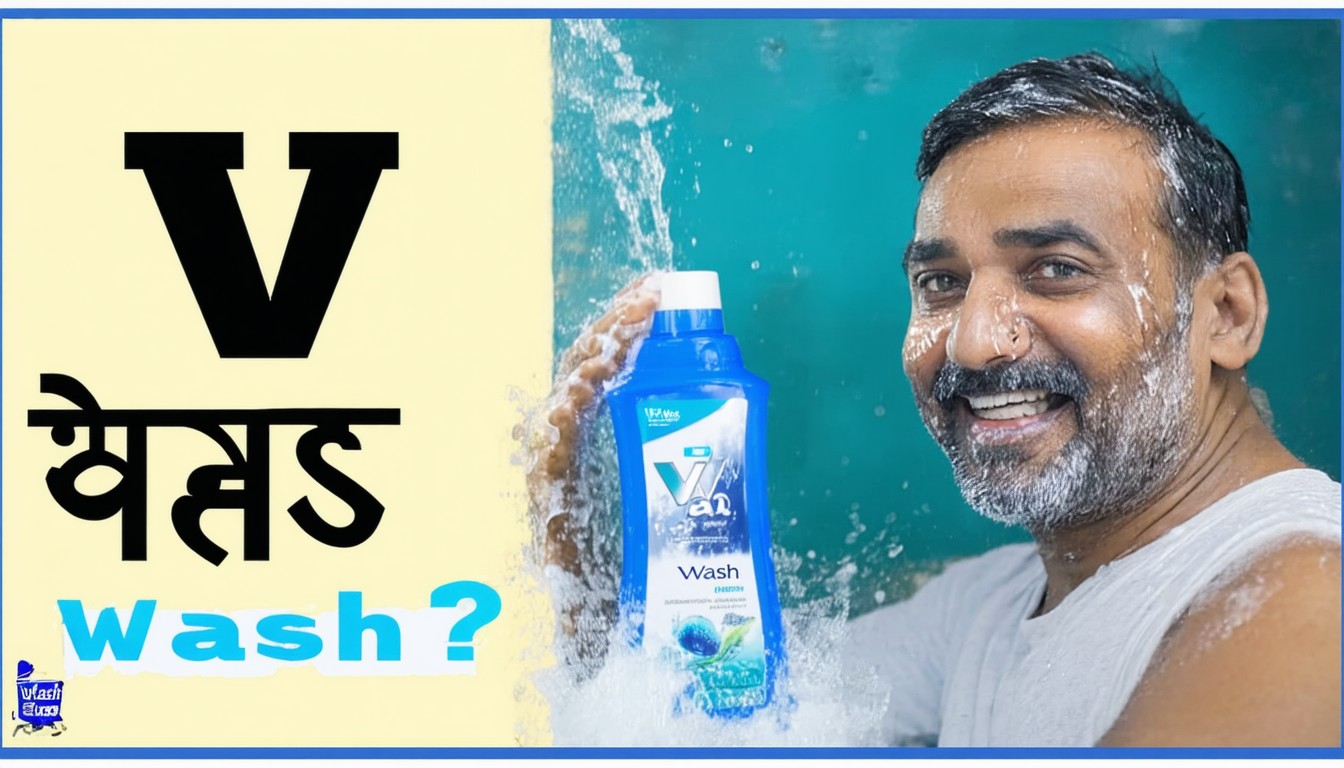
Women’s health has witnessed a significant evolution in recent years, as awareness about intimate hygiene continues to gain momentum across India. Among the many products introduced for feminine care, V Wash has established itself as a trusted name for maintaining vaginal hygiene. As concerns about personal health rise, conversations around products like V Wash—commonly referred to in Hindi-speaking regions as वी वॉश—are becoming more mainstream. Yet, many people still seek clarity on its exact uses, benefits, and how it integrates with traditional hygiene routines.
Feminine hygiene washes claim to balance pH, control odor, and prevent infections, but their usage and effectiveness often become points of confusion. A closer look at their formulation, intended uses, and expert advisories offers valuable guidance, especially for those considering adding such products into their daily routines.
What Is V Wash? Composition and Purpose
V Wash is a specialized intimate hygiene wash formulated specifically for the female genital area. Unlike regular soaps or body washes, V Wash is designed with a mild cleansing action, free of harsh chemicals like sulfates or parabens, and typically maintains a pH of around 3.5–4.5 to match that of the vaginal environment.
Key Ingredients in V Wash
- Lactic Acid: Helps maintain the natural, acidic pH of the intimate area.
- Sea Buckthorn Oil: Used in some variants, known for its soothing and moisturizing properties.
- Tea Tree Oil: Renowned for its natural antibacterial effects, although present in diluted concentrations.
- Aloe Vera Extract: Provides gentle hydration and calms skin irritation.
These ingredients aim to gently cleanse, prevent discomfort, and protect against bacterial or fungal infections without disrupting the delicate flora of the intimate area.
Main Uses of V Wash: Daily and Specialized Applications
V Wash is promoted for a range of uses, from daily preventive hygiene to managing specific concerns such as itching or excessive discharge. Its applications extend beyond personal comfort, playing a role in preventing health complications linked to poor hygiene.
Daily Feminine Hygiene and Odor Control
Maintaining cleanliness in the intimate area can prevent bad odor and discomfort, especially during menstruation or after physical activity. V Wash offers a gentle alternative to harsh soaps, which can disrupt the region’s natural pH and cause irritation.
Real-World Application
For example, during extended travel or hot, humid conditions, maintaining intimate hygiene can be challenging. Many working women in metro cities have incorporated V Wash into their daily routine to address these concerns discreetly.
Prevention of Infections
By helping to maintain the right pH balance, V Wash can reduce the risk of bacterial vaginosis, yeast infections, and irritation, especially for women prone to these issues. Clinical recommendations underscore that a healthy vaginal environment naturally deters most infections, but targeted products can support those with specific vulnerabilities.
“While the vagina is self-cleaning, external hygiene is important. Intimate washes may be helpful for women experiencing excessive sweat, discharge, or mild irritations,” says Dr. Anamika Kapoor, Obstetrician & Gynecologist, New Delhi.
Support During Menstruation and Postpartum Care
Menstruation and the postpartum phase can alter vaginal discharge and pH, sometimes leading to irritation or discomfort. Specialized washes like V Wash can offer gentle support during these periods, minimizing the chances of secondary infections while promoting a sense of freshness.
Addressing Common Myths
Despite claims, experts consistently stress that V Wash and similar products are not cures for infections but preventive aids when used appropriately.
How To Use V Wash Effectively
The correct use of V Wash maximizes its benefits and minimizes risks:
- Apply a small amount of V Wash to the external vaginal area during bathing.
- Gently lather with fingers; do not insert the product inside the vagina.
- Rinse thoroughly with water and pat dry.
- Limit use to once daily, unless otherwise advised by a healthcare provider.
Women should avoid using V Wash on broken or irritated skin and should discontinue use if any burning or increased irritation develops.
Cultural Context: Feminine Hygiene in Hindi-Speaking Communities
In many Hindi-speaking regions, traditional practices and home remedies still dominate intimate hygiene routines. Neem leaves, curd washes, and herbal powders have long histories, yet increasing access to information and urbanization are shifting consumer preferences towards clinically formulated products.
Industry observations note strong double-digit sales growth for intimate hygiene products in Metro and Tier-II Indian cities. Advertising campaigns in Hindi have played a key role in de-stigmatizing intimate wellness and introducing V Wash to new users.
Risks and Precautions: What to Watch For
While V Wash is safe for most women when used externally, overuse or incorrect application can cause dryness or disrupt healthy vaginal flora. Those with sensitive skin or a history of allergies should consult a doctor before use.
When to Avoid or Consult a Doctor
- If experiencing severe pain, burning, or abnormal discharge.
- During treatment for active vaginal infections, unless a gynecologist recommends it.
- If there is any past allergic reaction to cosmetic products.
Scientific Perspective: What Does Research Say?
Research supports that maintaining external vaginal hygiene can help prevent some infections, but overuse of chemical products inside the vagina is never recommended.
“Proper hygiene helps reduce infection risk, but over-cleansing or using harsh agents can do more harm than good. Intimate washes should always be used as per directions,” notes Dr. Prerna Bansal, Women’s Health Specialist.
The Evolving Market for Intimate Washes in India
Indian consumers are increasingly prioritizing personal care, with feminine hygiene products witnessing notable expansion. The V Wash brand and its competitors are now available both in pharmacies and online platforms, catering to a new demographic of health-conscious women.
Peer influence, celebrity endorsements, and open conversations on digital forums have further boosted awareness. However, experts highlight education as the key to demystifying such products and enabling safe, informed use.
Conclusion: Empowering Women with Better Hygiene Choices
V Wash offers a practical solution for women seeking enhanced intimate hygiene and comfort, especially in challenging climates or during life phases like menstruation and postpartum recovery. While it can play a valuable preventive role, it should not substitute for medical advice or treatment for chronic symptoms. Ultimately, smart, minimal use in alignment with medical guidance supports both health and confidence.
FAQs
1. Is V Wash safe for everyday use?
Yes, when used as directed on the external genital area, V Wash is generally safe for most women. Overuse or use on broken skin should be avoided to prevent irritation.
2. Can V Wash cure vaginal infections?
No, V Wash is not a treatment for infections but may help prevent certain issues by supporting proper hygiene. Persistent symptoms should be evaluated by a healthcare provider.
3. Should V Wash be used during pregnancy or postpartum?
V Wash can be used externally during these phases, but it’s best to consult a doctor, especially if there are sensitivities or health concerns.
4. What if I experience burning or irritation after using V Wash?
If burning or irritation occurs, stop using the product and rinse the area with water. Seek medical advice if discomfort persists.
5. Is V Wash better than home remedies for intimate hygiene?
Both have their place; V Wash provides a clinically tested, convenient option, while home remedies are rooted in traditional practices. Personal preference, skin sensitivity, and medical advice should guide the choice.
6. Can adolescent girls use V Wash?
Yes, adolescent girls experiencing puberty-related changes can use V Wash, but it’s advisable to consult a parent or healthcare provider for appropriate guidance.


 info@superlot2.com
 1/276 Bronte Rd , Sydney , Australia