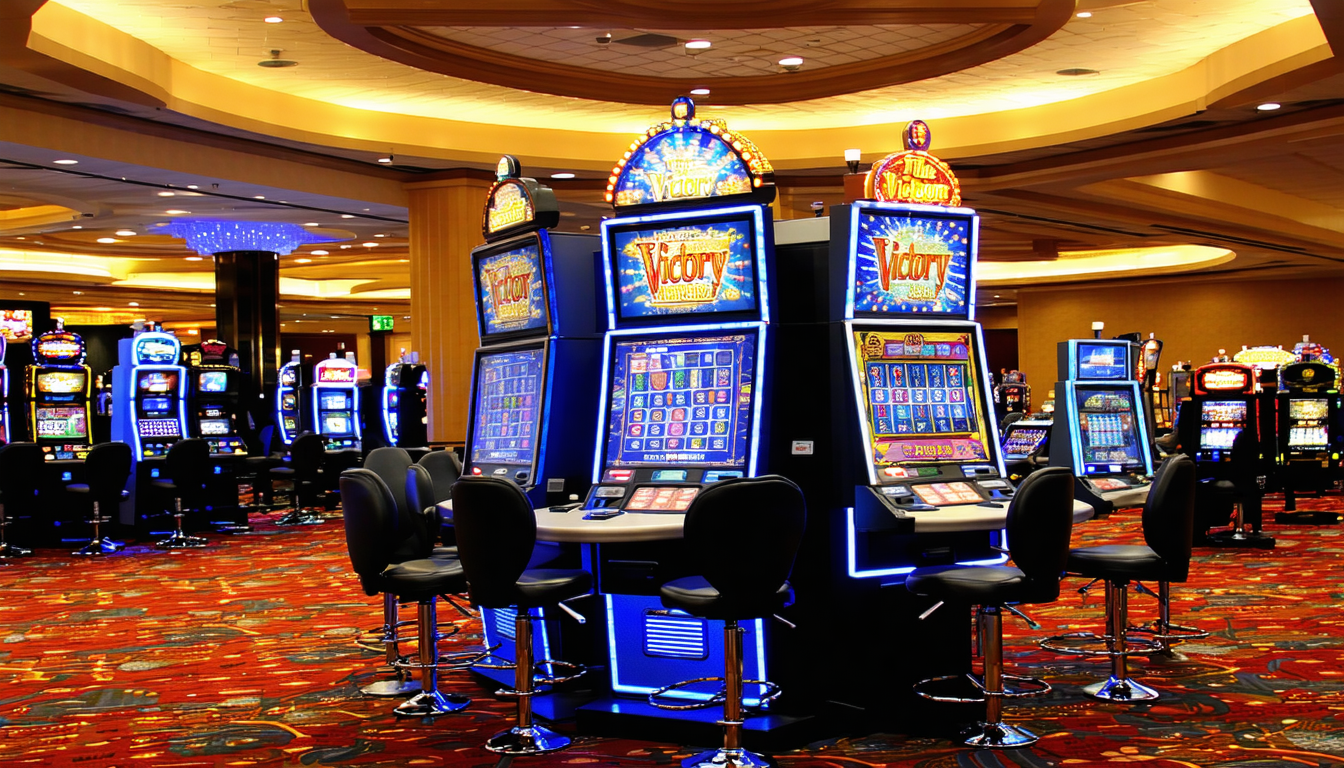
A flicker of neon light, the faint hum of machines, the murmur of anticipation—VictoryLand Casino paints a complex picture. It’s not just about the flashing screens or the rumble of simulcast races; it’s a story of legal battles, community dependence, and adaptation amid a shifting regulatory landscape.
Contextual Foundations: A Brief History
VictoryLand, located in Shorter, Alabama, began as a greyhound racetrack in 1983 and later expanded into a casino-like venue under the brand Quincy’s 777, hosting thousands of slot-style gaming machines . Over the years, its facilities evolved—an Oasis Hotel rose in 2009, only to shutter in 2010 amid turbulence . Legal scrutiny intensified in 2010, culminating in federal charges against owner Milton McGregor and several state legislators. McGregor was acquitted in 2012 . After courtroom fights, VictoryLand reopened in 2016, resuming electronic bingo operations .
Legal Turbulence & Evolution of Gaming Operations
In late 2022, the Alabama Supreme Court unequivocally ruled that electronic bingo machines—deployed like slot machines—were illegal and had to be removed from VictoryLand and other venues in Lowndes and surrounding counties . This led to a permanent ban in Macon County, with VictoryLand required to cease offering such machines . In response, VictoryLand transitioned to historical horse racing (HHR) machines—legal devices that allow wagers on previously completed horse races, compliant under Alabama’s pari‑mutuel wagering regulations .
Transitioning wasn’t merely regulatory—mass layoffs ensued when bingo machines were removed. Yet, optimism remained. Lewis Benefield, the casino’s president, shared that the new HHR machines are legal, taxed, and were fueling a hiring rebound. “Our business has picked up… I’d hire another 250 today if I could find the employees,” he said .
Community Impact and Local Economy
VictoryLand isn’t just a gaming floor; it’s a vital economic artery in rural Macon County. When electronic bingo was shut down, hundreds of employees lost jobs, and the largest private employer faltered . On reopening with HHR machines, hundreds were rehired, signaling cautious recovery . Local leaders expressed frustration over perceived unequal enforcement: “It’s a shame … a lot of illegal gaming going on in Jefferson and Greene counties,” Benefield remarked, highlighting that minority‑owned venues like VictoryLand faced greater scrutiny .
Technical Adaptation & Gaming Experience
Electronic Bingo vs. Historical Horse Racing
- Electronic Bingo Machines: Mimicked slot machines with fast, flashing visuals. Despite claims of legality under local amendments, courts consistently ruled them illegal under Alabama law .
- HHR Machines: Users wager on previously run horse races. These machines fall under established pari‑mutuel regulations and enjoy acceptance by the attorney general and courts—so long as a valid horse racing license remains .
“We followed the law months ago and moved to the HHR machines… Those machines are legal, pari‑mutuel wagering according to opinions from the AG’s office.” — Lewis Benefield, VictoryLand president
Regulatory & Industry Landscape
Alabama’s buyers of gambling laws remain restrictive—full casinos with table games and slots are banned statewide. Only tribal casinos, protected by federal law, can operate electronic bingo-style facilities . The Poarch Band of Creek Indians, for example, continues to operate legal electronic bingo venues across Alabama . Legislative reform remains a topic of debate—local voices, including the McGregor family, continue to push for unified gaming legislation in potential upcoming sessions .
Conclusion
VictoryLand’s narrative captures more than a gaming venue—it embodies resilience. Through legal storms, closures, and shifts in gaming technology, it has reinvented itself with historical horse racing that fits within legal boundaries. While the path has brought job losses and uncertainty, the casino’s reopening, rehiring, and compliance signal a pragmatism rooted in community obligation.
VictoryLand remains a reflection of Alabama’s complex gaming terrain—where law, economy, and community converge. Its future will likely depend on continued adaptability and shifts in statewide gaming policy.
FAQs
Q: Why were VictoryLand’s electronic bingo machines banned?
A: Courts—including the Alabama Supreme Court—ruled that electronic bingo machines operate like slot machines, violating state law, leading to a permanent ban in Macon County .
Q: What are historical horse racing (HHR) machines, and are they legal at VictoryLand?
A: HHR machines let users bet on previously run races and are legal under Alabama’s pari‑mutuel wagering statutes. VictoryLand installed them in 2023, with AG approval .
Q: How did legal changes affect VictoryLand’s workforce?
A: Removal of electronic bingo led to layoffs affecting hundreds. After switching to HHR machines, the casino began rehiring, adding around 250 staff in a short period .
Q: What legal protections allow tribal casinos to operate electronic bingo in Alabama?
A: Tribal casinos, like those run by the Poarch Band of Creek Indians, operate under federal compacts and thus can offer electronic bingo machines despite state prohibitions .
Q: Could VictoryLand expand its gaming offerings again?
A: Expansion would hinge on legislative changes. Local owners continue to advocate for unified laws that would allow broader gaming formats, potentially during upcoming sessions .
Q: What’s the current status of VictoryLand’s operations?
A: With electronic bingo machines removed, VictoryLand now operates using legal HHR machines and simulcast racing for wagers, remaining open and active in the local economy .


 info@superlot2.com
 1/276 Bronte Rd , Sydney , Australia